
The First House
The House of Self
-
Angular House
-
Temple of Mercury (Marcus Manilius)
-
Health & Vitality (William Lilly)
-
The image we project (Modern)
Traditional Vs Modern
Traditional View
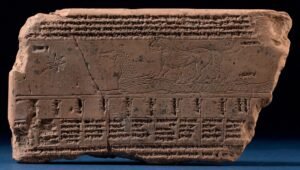
1. Babylonian Astrology (c. 1800–500 BCE)
There was less emphasis on personality and more on destiny and external events. The view of the First House focused on the native’s fate and life path, general condition of the body and overall life circumstances.
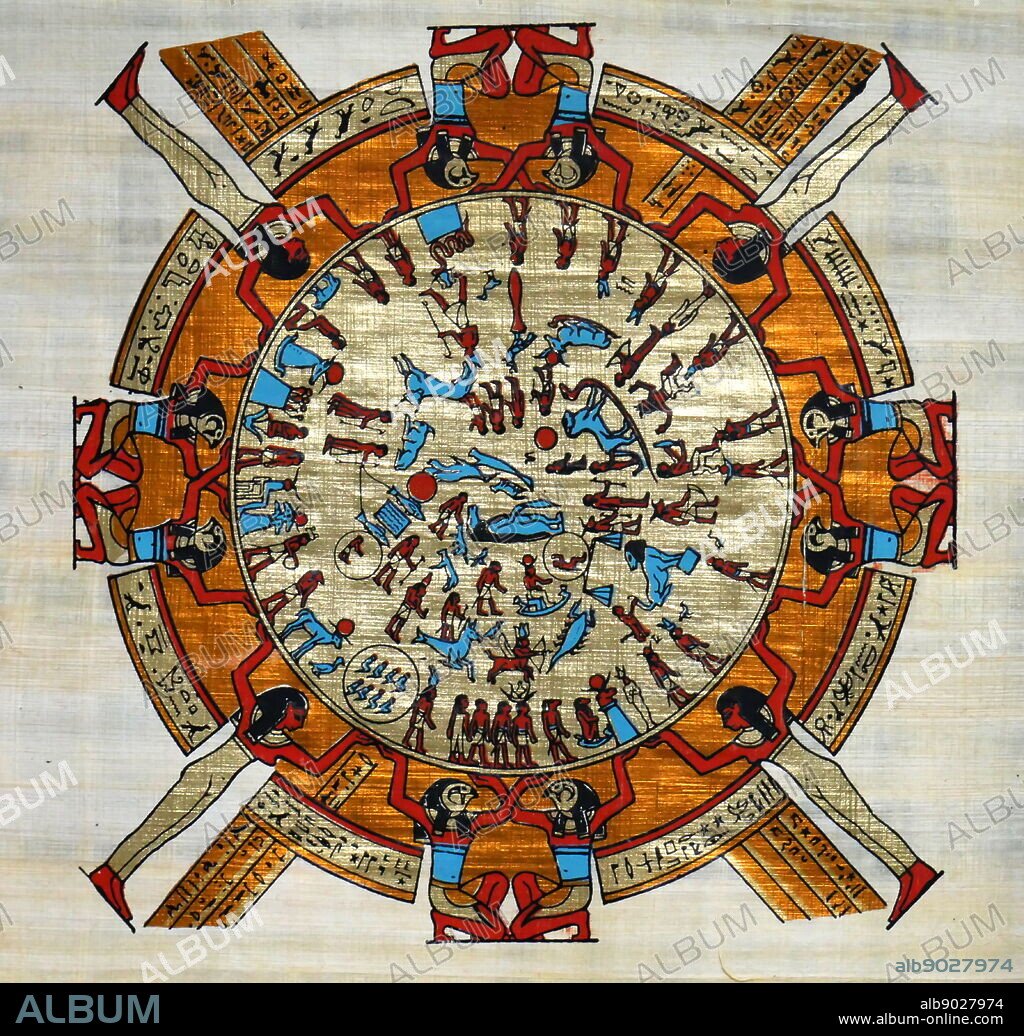
2. Egyptian Astrology (Hellenistic Egypt, c. 300 BCE onward)
The First House was the anchor of the chart and the most powerful place. Unlike modern astrology, it was not primarily about “identity” — it was about embodied life and survival. It emphasised life force, physical body, vitality, and sometimes length of life (using various techniques).
3. Greek / Hellenistic Astrology (c. 200 BCE–600 CE)
The First House was the most personal place in the chart due to the fact that it’s an angular house (powerful). It was not about “self-expression” or ego — it was about the concrete incarnation of the person. Additionally, it emphasised the condition of life overall, the body, the physical appearance, temperament, health and vitality.
4. Traditional Medieval Astrology (Influenced by Greek sources and expanded by Arabic astrologers)
Emphasised the previous Greek elements, but still not psychological in the modern sense.
Modern View
The First House is often treated as: “how you project yourself”. Different houses represent others in the chart, e.g. 7th House is your partner , 4th House is your parents, 5th House is your children. The First House is YOU. The most striking features of your personality, your body type and your physicality (e.g. how you move…etc)
There’s been a shift from the traditional view that it mostly describes the body shape (Slender vs Stout), body functioning (Healthy vs Sick), and bodily appearance ( Tall vs Short). More attention is given to describing the native’s character and thoroughly examining the First House Ruler which is described as “The Skipper” or “The Captain of the Ship”. The importance of that role can not be underestimated. Above all, it’s the chart ruler!
Any planet located in the First House tends to be expressed outwardly and lived through the body and personality. The angular houses are considered especially powerful positions, giving planets a strong platform from which to operate. Individuals often radiate—both in visible ways and on more subtle levels—the traits of any planets placed there. For example, Venus in the First House can point to someone who stands out for their beauty or distinctive charm and their desire to socialise. When several planets occupy the First House, a person may embody a wide range of qualities and identities. The planet that is most at home in its sign (in dignity) will usually take the lead, setting the tone and guiding how the others are expressed.

After Alexander’s conquest, Egyptian, Babylonian, and Greek ideas merged in Alexandria
Astrological Phrases for The First House:
-
Ancient View: The First House = “This is the body and life you were given.”
-
Modern View: The First House = “This is who you are and how you express yourself.”
-
Associated with Mercury. In Traditional Astrology, Mercury has its joy in the First House which is where heaven meets Earth. The duality of the body and the spirit.
-
When a planet sits in the First House, its influence is immediate, noticeable, and woven directly into the person’s presence.
-
An Empty First House could be activated by a long term transit and the impact might be long lasting. Saturn transit might bring discipline, a crisis to deal with or a little melancholic attitude.
Astrology Campus View (Summery)
Ancient astrology was concerned with: Survival, Fortune Health, Concrete outcomes
Modern astrology is concerned with: Psychology, Identity formation, Self-actualization
Our approach to decision making could be affected by our First House’s sign and the condition of it’s Ruler. Consider a native with a First house in Aries and the Ruler (Mars) is located in the second house. We would expect the native to possess a good earning power, but might have a habit of impulsive spending. In contrast, if the native’s First House is in Capricorn and its Ruler (Saturn) is located in the second house. We might find the native focused on making long-term financial plans, someone who invests their hard earned money cautiously. Financial gains might not come in so easily!
Howard Sasportas wrote that our Ascendants lead us toward the identities promised by our Suns. “The Ascendant may be the way we hatch but what we grow into is the Sun sign. … The Sun is why we are here; the Ascendant is how we get there. Howard Sasportas, The Twelve Houses (Wellingborough, Great Britain: The Aquarian Press, 1985), p. 40.

The First House reflects the image we project to the world